Why Japan is the most exciting long-haul ski choice for schools
Time to read
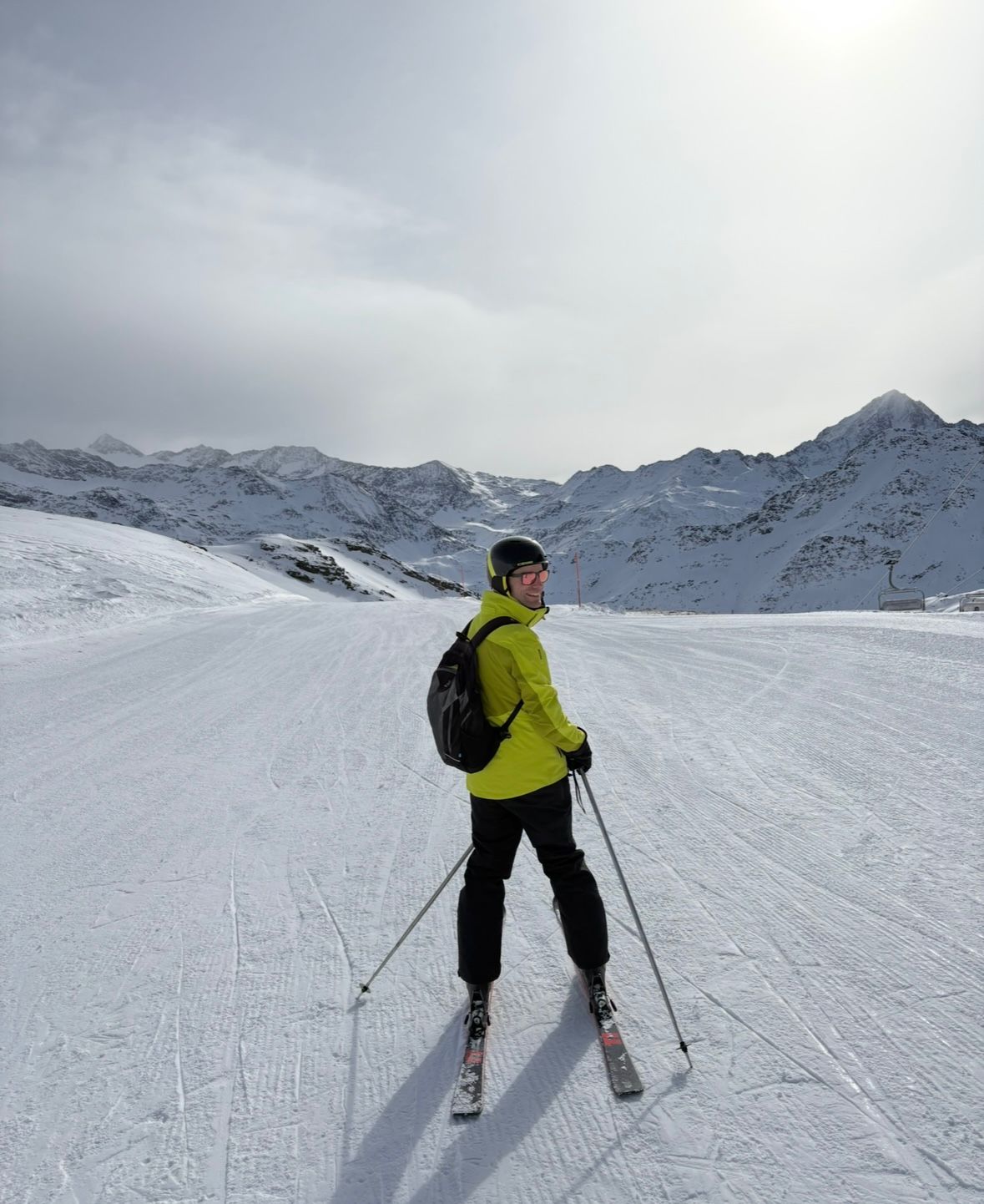
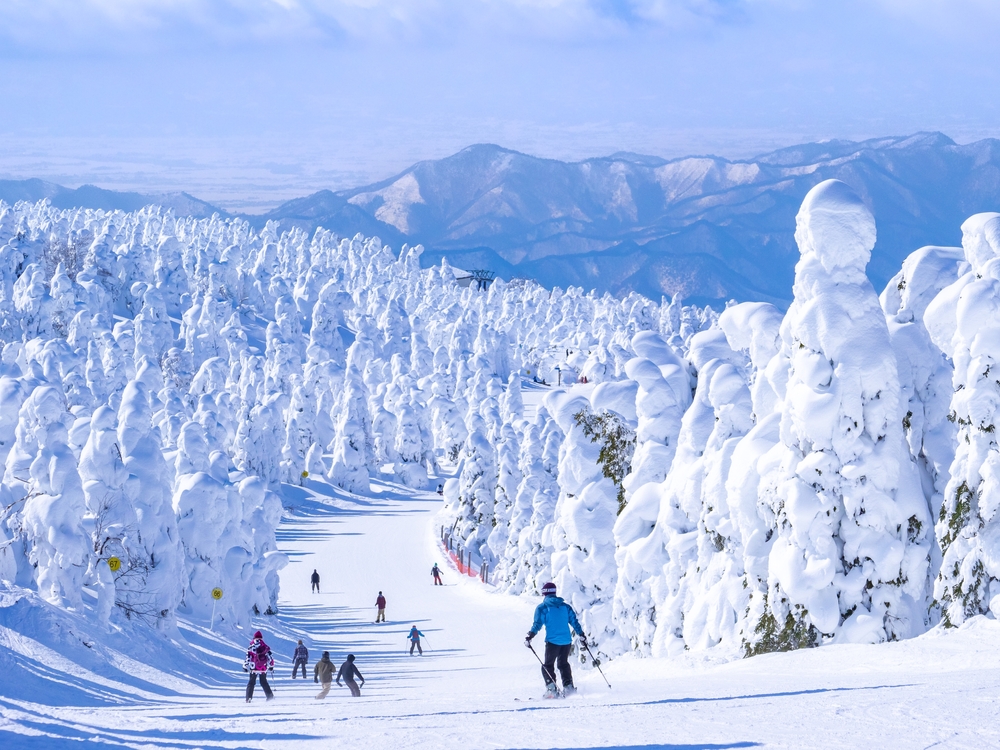
There’s a moment on a powder day in the Hakuba Valley when the skiing stops feeling like skiing and starts feeling like something else entirely. The snow is cold, dry, and impossibly light. The birch trees stand heavy with fresh white powder. A group of secondary school students, who two days ago were learning to read the mountain, are now threading effortlessly through a forest that seems to swallow sound. That moment is why considering a school ski trip to Japan is worth taking seriously.
For teachers and schools who have already done Andorra or Austria and want to offer their students something genuinely different, the Hakuba Valley resorts represent a step change in ambition, access, and educational return.
What makes skiing in Japan different from Europe?
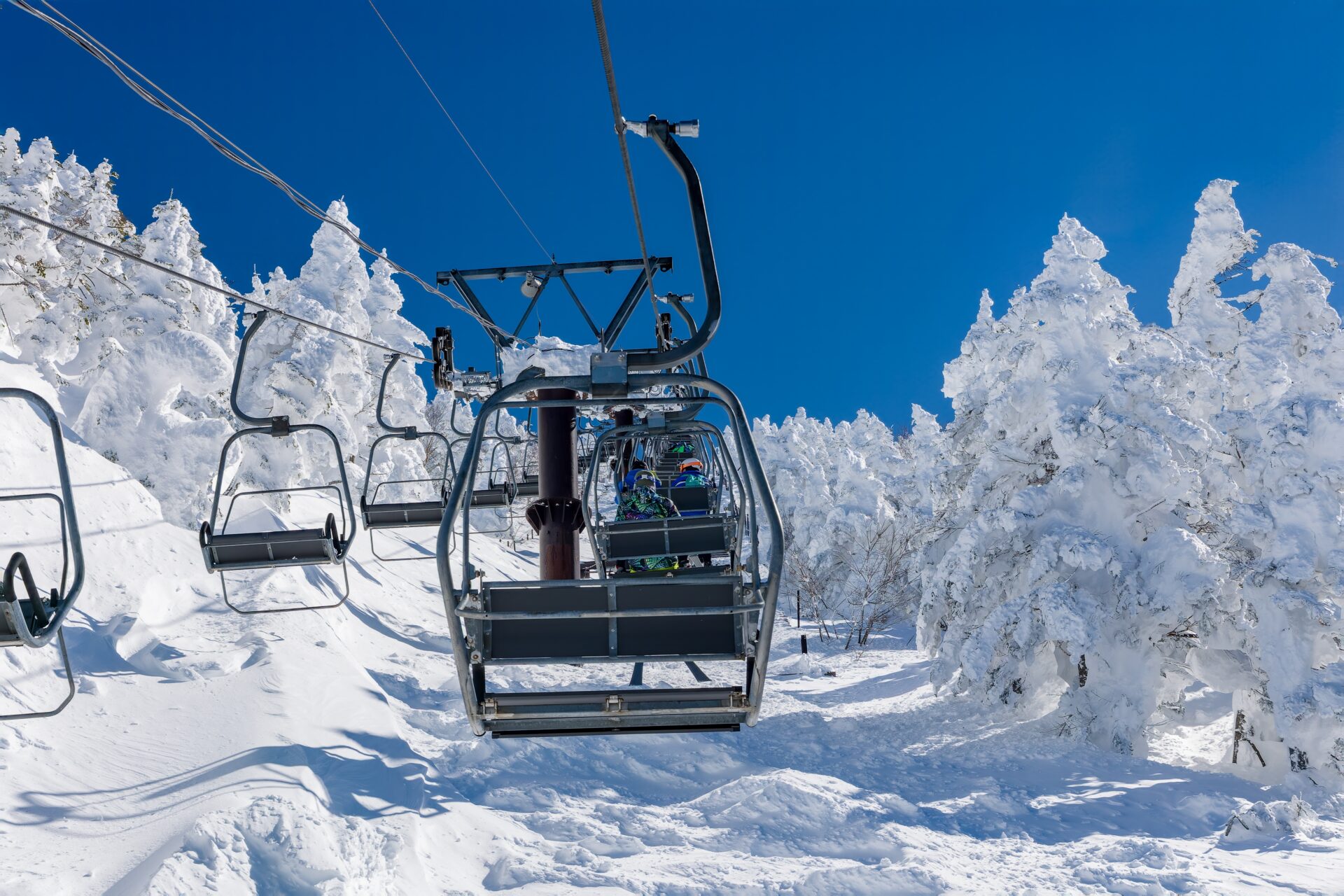
Japanese powder snow is unlike anything you will find on an Alpine slope. Cold, dry, and feather-light, it has earned its own nickname: ‘Japow.’ The term exists because there’s simply no European equivalent for it. Overnight snowfall of 20cm or more is unremarkable across the Hakuba Valley. Even late in the afternoon, after a full day on the mountain, untracked powder is still findable because the base keeps building rather than compacting and tracking out.
“A day that experienced skiers would consider merely decent in Japan would be a season highlight in most places.”
Happo One
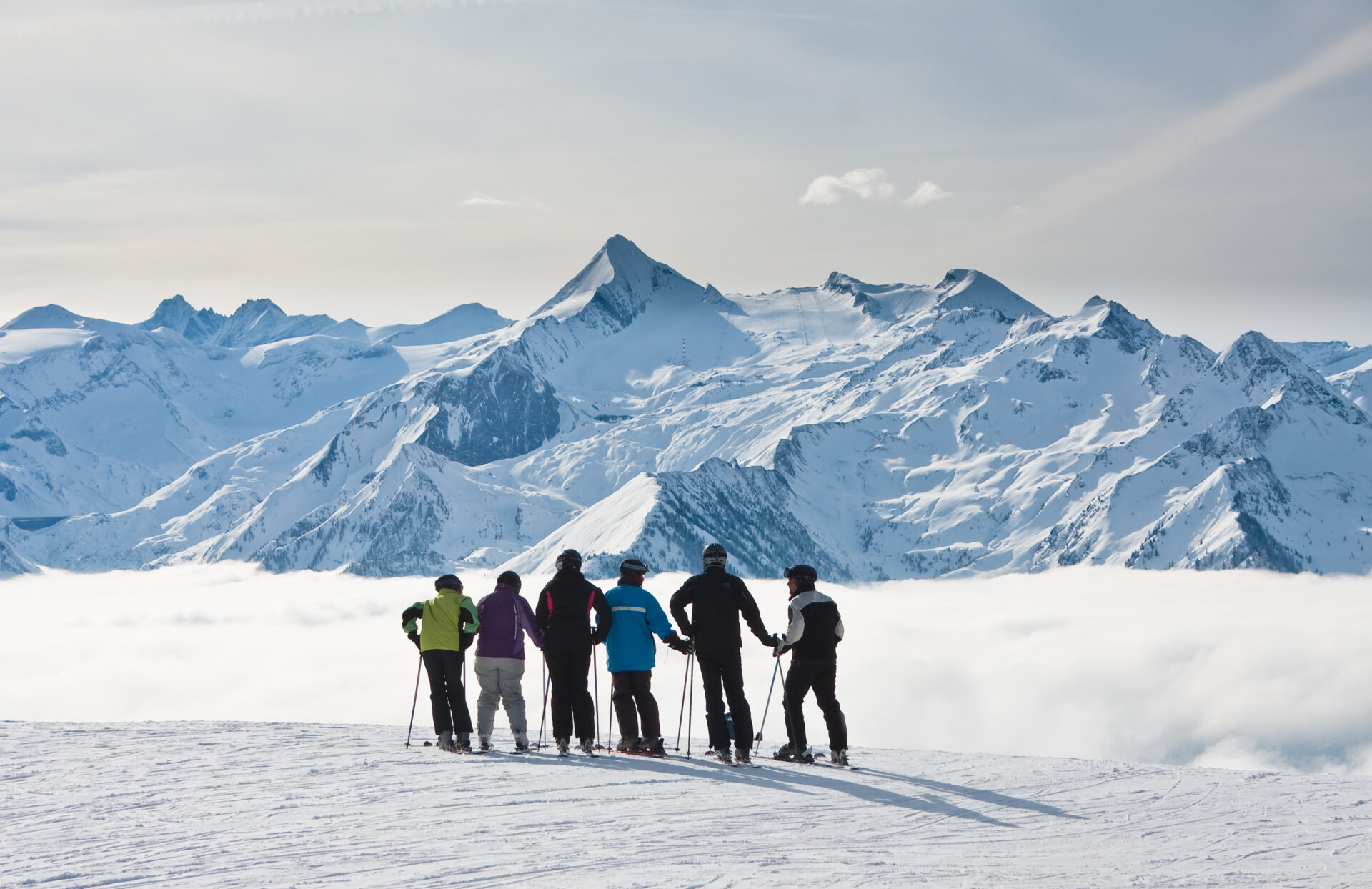
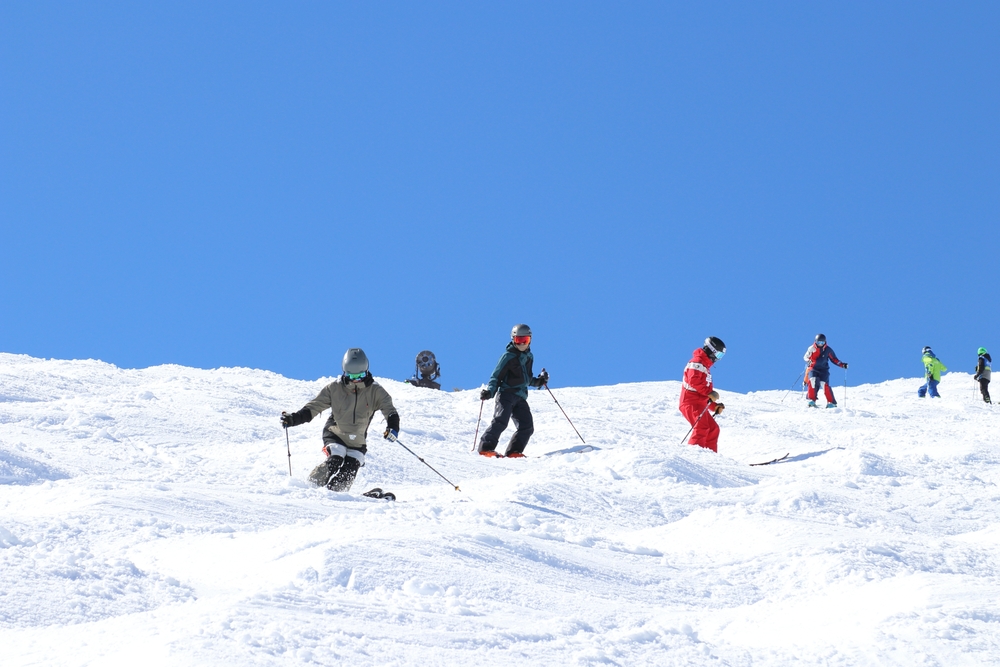
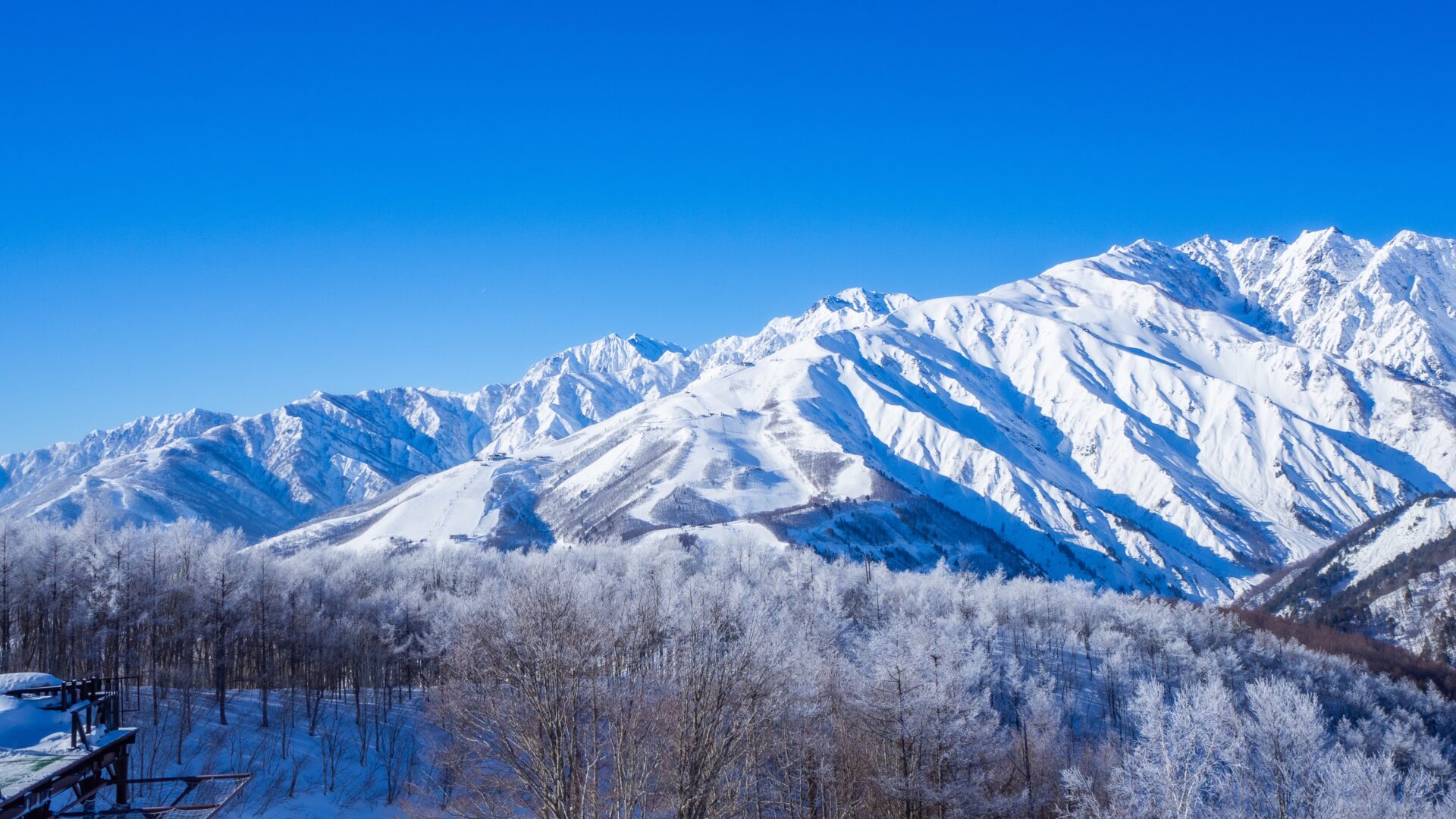
Happo One is the largest of the four SkiBound resorts in Hakuba. Wide alpine faces, long fall lines, and sweeping panoramas across the valley give it a character that bridges the gap between Alpine familiarity and something altogether more extraordinary. Happo One suits groups where most students are at intermediate level or above, with dedicated beginner terrain at Sakka base. For groups with more mixed abilities, no one in the group needs to go to a different mountain. On a clear day, the panoramic views across the Hakuba Valley from the upper mountain are exceptional.
Happo One hosted the 1998 Olympic downhill and super-G. Your students can ski the same mountain
Hakuba 47 and Goryu
Hakuba 47 and Goryu are connected by their runs and covered by the same lift pass, making it easy to explore both resorts. Together, they offer varied terrain ranging from wide, gently pitched beginner slopes to double-black mogul fields. At Tsugaike, nestled in the Alps National Park, the standout experience is tree skiing through birch forests on powder days. With fresh snow and runs that see almost no other tracks through the day, it’s a unique way to experience the mountain. Shiga Kogen, the fourth SkiBound resort in the region, holds a specific place in sporting history. It was the venue for the first ever medalled snowboarding events at an Olympic games, the 1998 Nagano Winter Games. Students can ski the same runs today. For schools and students studying GCSE PE this offers a curriculum connection to the development of sport and the Olympic movement. Shiga Kogen also offers ski-in ski-out accommodation, making it a particularly practical option for school groups.
All SkiBound Japan groups receive five hours of ski instruction per day from nationally qualified, English-speaking instructors.
Snow monkeys, samurai castles, and the curriculum case for Japan
Our ski programme alone would justify the trip, the add-ons make it exceptional.
Jigokudani Snow Monkey Park, near Nagano and a short transfer from the Hakuba Valley resorts, is one of the most genuinely curriculum-relevant excursions available on any school ski trip. Japanese macaques bathe in natural geothermal hot spring pools while snow falls around them. For geography students, it is a live case study in volcanic activity and geothermal systems. For biology classes, it offers observable animal behaviour in a wild habitat. For all students, it is genuinely hard to forget. Jigokudani’s snow monkeys aren’t performing for tourists; they’re simply doing what they have always done. Watching them from the snowy banks of the pool is one of those rare educational experiences that students still talk about years later.
Matsumoto Castle, around a 1.5-hour drive from the Hakuba Valley, offers a different kind of learning. One of Japan’s few surviving original castles, built in the late 1500s and known as the Crow Castle for its black timber exterior, it sits against a backdrop of the Japanese Alps with a moat and red-lacquered bridge reflected in still water. History and geography teachers will find curriculum links in feudal Japan, samurai-era architecture, and vernacular construction techniques. A rest day or travel day from Hakuba makes a visit entirely feasible.
Is Japan a good destination for a school ski trip?
Yes, and the practical case is stronger than most teachers expect.
Japan’s ski resorts are well organised, widely English-speaking, and built around large-group hospitality in a way that makes the logistics of a school trip significantly more straightforward than many long-haul alternatives. The Hakuba Valley has been a well-established international ski destination since the 1998 Nagano Winter Games, and the infrastructure surrounding group travel is well developed. SkiBound’s package format handles the detail that would otherwise fall to the trip leader; flights, transfers, accommodation, and instruction all arranged as standard.
Mixed-ability groups are well provided for across all four SkiBound resorts. Goryu has an excellent base area designed around beginners, with a progression route through gently graded wide pistes before students move to longer intermediate runs. The variety of terrain across the four resorts means every ability level in the group will find excellent skiing throughout the trip.
SkiBound’s packages remove the complexity of organising flights, transfers, accommodation, and instruction independently, handling all the logistical detail of a long-haul school trip as standard.
On the question of cost: Japan is more accessible than the headline assumption suggests. When the breadth of curriculum value is set against the trip cost, with skiing, cultural excursions, the Tokyo stopover, and experiences genuinely difficult to replicate at any European ski resort included, the value per educational outcome is hard to match from any other destination.
Tokyo: the stopover that earns its curriculum hours
Every SkiBound Japan programme includes a Tokyo stopover, and the city earns its place on educational grounds without much argument. From geography lessons on megacity growth and urban planning and cultural studies on Japan’s blend of ancient tradition and digital-age innovation, to food education, language exposure, new technologies and more. Tokyo delivers curriculum outcomes through full immersion rather than classroom approximation.
Students might walk from the neon-lit energy of Shibuya to the serene 300-year-old Senso-ji Buddhist Temple in Asakusa within the same afternoon, a contrast that brings geography, cultural and religious studies to life. By the time they arrive at the slopes, Japan has already started to make sense.
Ready to bring Japan into your school’s ski trip programme?
Our dedicated SkiBound Japan team can walk you through resort options, group pricing, and how to build a curriculum case for your SLT. Visit our SkiBound Japan destination page to explore the resorts in more detail, or get in touch to start the conversation.
Frequently Asked Questions
How much does a school ski trip to Japan cost?
Japan is more cost-accessible than most teachers assume when they first consider it, particularly given the volume of educational value included across skiing, cultural excursions, and the Tokyo stopover. SkiBound packages remove the complexity of independent organisation. Contact our SkiBound team for a group quote specific to your school, departure date, and resort preference.
Is Japan a good destination for a school ski trip?
Yes. Japan’s Hakuba Valley resorts offer excellent terrain for all abilities, English-speaking instruction, well-organised facilities, and a level of cultural and educational value that is genuinely hard to match elsewhere. SkiBound’s four resorts in the Hakuba and Nagano area cater for beginners through to advanced skiers, with five hours of ski instruction per day from nationally qualified, English-speaking instructors
What makes skiing in Japan different from Europe?
The snow, primarily. Japanese powder is cold, dry, and exceptionally light, produced by weather patterns that deliver overnight falls of 20cm or more throughout the season. Even late-afternoon skiing routinely turns up untracked powder. Add the birch forests and the surrounding culture, and Japan offers an experience that is categorically different from any Alpine destination.